Uncovering Shared Probability Frameworks in Reel Spins and Match Outcome Bets Within Platform Ecosystems
Ines Hoffmann · Aug 8, 2026
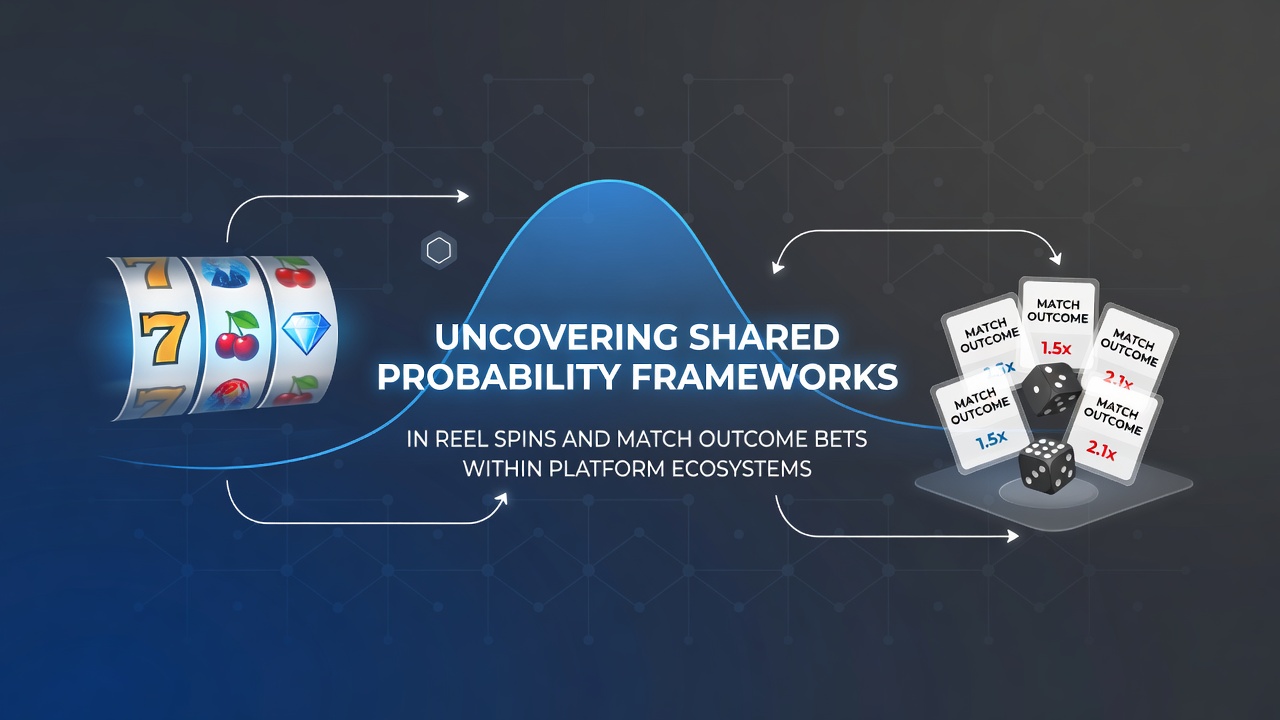
Uncovering Shared Probability Frameworks in Reel Spins and Match Outcome Bets Within Platform Ecosystems
Platform ecosystems that combine digital reel mechanics with sports wagering have drawn attention from analysts tracking how probability models intersect across game types, and observers note that these overlaps appear in data streams generated by unified user accounts during August 2026 activity reports. Integrated operators report that reel spin sequences and match outcome calculations often rely on modular random number generators that feed into shared backend systems, allowing cross-promotional features to adjust bonus triggers based on concurrent betting patterns.
Core Mechanics in Reel-Based Systems
Reel spin frameworks operate through weighted symbol distributions where each stop position carries a fixed probability that operators publish in return-to-player documentation, while data from multiple jurisdictions shows these weights remain constant unless regulatory updates intervene. Researchers tracking North American markets have documented how virtual reel mapping expands physical strip lengths into larger outcome pools, creating layered distributions that operators adjust seasonally. Those who examine code repositories find that modern implementations incorporate seed values refreshed at intervals to maintain statistical independence across sessions, yet platform logs from August 2026 reveal occasional synchronization points when users migrate between reel modules and live event dashboards.
Probability Structures in Match Outcome Markets
Match outcome betting models derive from statistical inputs that include team performance metrics, historical head-to-head records, and real-time variables such as injury updates or weather conditions, and these inputs feed into algorithmic pricing engines that generate decimal or fractional odds. Studies compiled by the Australian Institute of Family Studies indicate that variance in outcome probabilities narrows as more data enters the model, producing tighter spreads during high-volume tournament periods. Platform operators integrate these models with reel engines through common data lakes, enabling simultaneous tracking of user exposure across both verticals without requiring separate account balances.
Overlaps Emerging in Unified Ecosystems
Shared frameworks surface when operators apply identical variance controls to both reel payout tables and parlay multipliers, creating situations where a single random seed influences both a slot bonus round and a correlated sports prop settlement. Evidence collected across Canadian provincial regulators shows that such linkages appear most frequently during promotional windows when reel free-spin awards scale according to pending match results. Analysts reviewing transaction volumes from August 2026 note that cross-vertical risk engines now monitor aggregate exposure rather than isolated game categories, which reduces the need for separate hedging strategies on each side. One documented case involved a European operator that aligned reel volatility bands with football spread margins, allowing the same mathematical tolerance band to govern both short-term spin clusters and longer event resolutions.
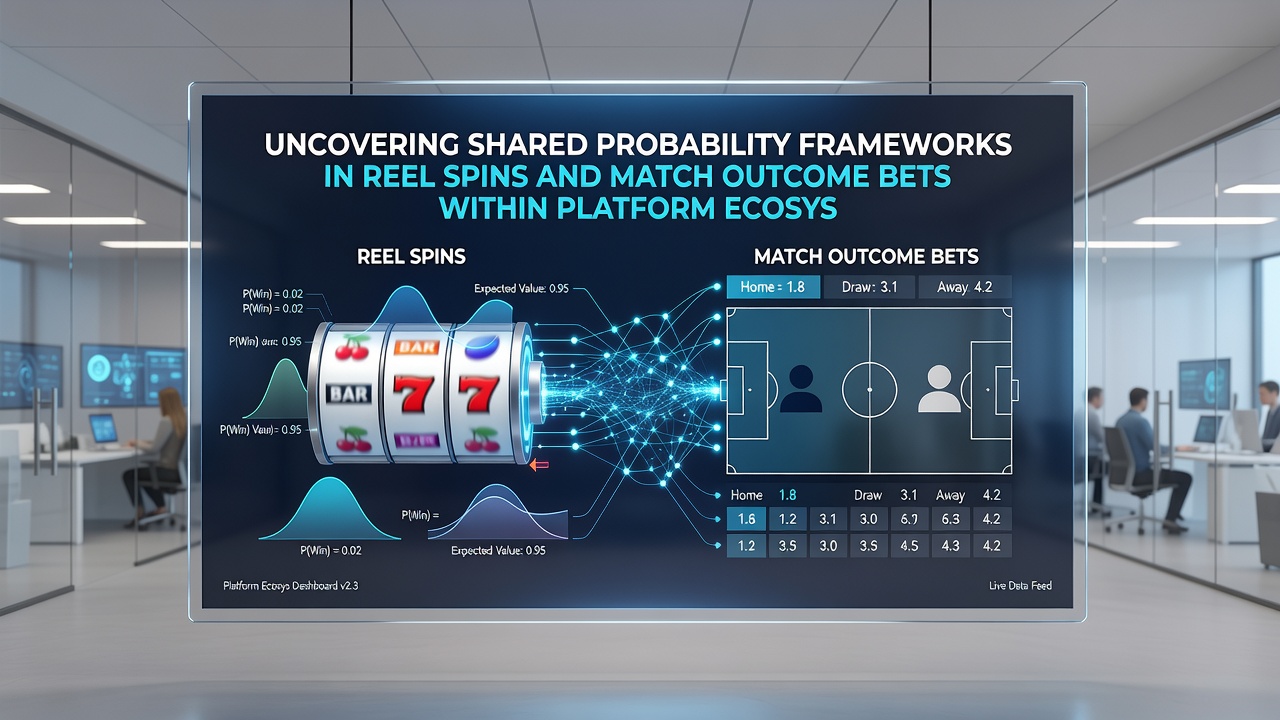
Platform architects achieve these alignments through modular APIs that expose normalized probability outputs, letting downstream modules consume reel hit frequencies and match likelihood percentages through a common schema. Data indicates that when users activate linked promotions, the system recalibrates reel weighting temporarily to mirror the implied probability of an upcoming fixture, a technique observed in several Asian and Oceanian markets during the same period.
Regulatory and Technical Considerations in 2026
Regulators in multiple regions require operators to demonstrate that any shared random processes maintain independence between verticals, and compliance documentation from the New Jersey Division of Gaming Enforcement outlines testing protocols that verify separate entropy sources even when front-end displays appear synchronized. Technical audits performed in August 2026 confirmed that most platforms isolate the actual random generation steps while permitting shared analytics layers to aggregate results for marketing purposes. Industry reports from the European Gaming and Betting Association further describe how these separations allow operators to offer unified loyalty programs without breaching game-specific fairness standards.
Practical Examples from Current Deployments
Take one North American operator that introduced a feature in early 2026 where reel bonus triggers carried probability weights derived from concurrent basketball totals markets, resulting in measurable shifts in session duration metrics across both product lines. Another deployment in an Australian state-linked platform mapped reel symbol combinations to cricket match win probabilities, producing promotional bundles that activated automatically when both systems recorded aligned statistical thresholds. Observers tracking these implementations report that user retention metrics improved when the probability frameworks remained transparent in published game rules, although operators continue to refine the underlying calculations to avoid unintended clustering of outcomes.
Conclusion
Platform ecosystems continue to develop shared probability frameworks that connect reel spin mechanics with match outcome calculations through common data structures and risk management tools. Information released during August 2026 shows operators maintaining separate random processes while leveraging unified analytics to support cross-vertical promotions and exposure tracking. Regulatory bodies across regions enforce testing standards that preserve game integrity even as technical integrations deepen, and available data from industry associations indicates these practices will shape future platform architecture without altering core probability principles.