The Role of Algorithmic Suggestions in Guiding Choices Between Virtual Table Games and Team-Based Athletic Odds on Mobile Platforms
Olivia Lehmann · Jul 7, 2026
The Role of Algorithmic Suggestions in Guiding Choices Between Virtual Table Games and Team-Based Athletic Odds on Mobile Platforms
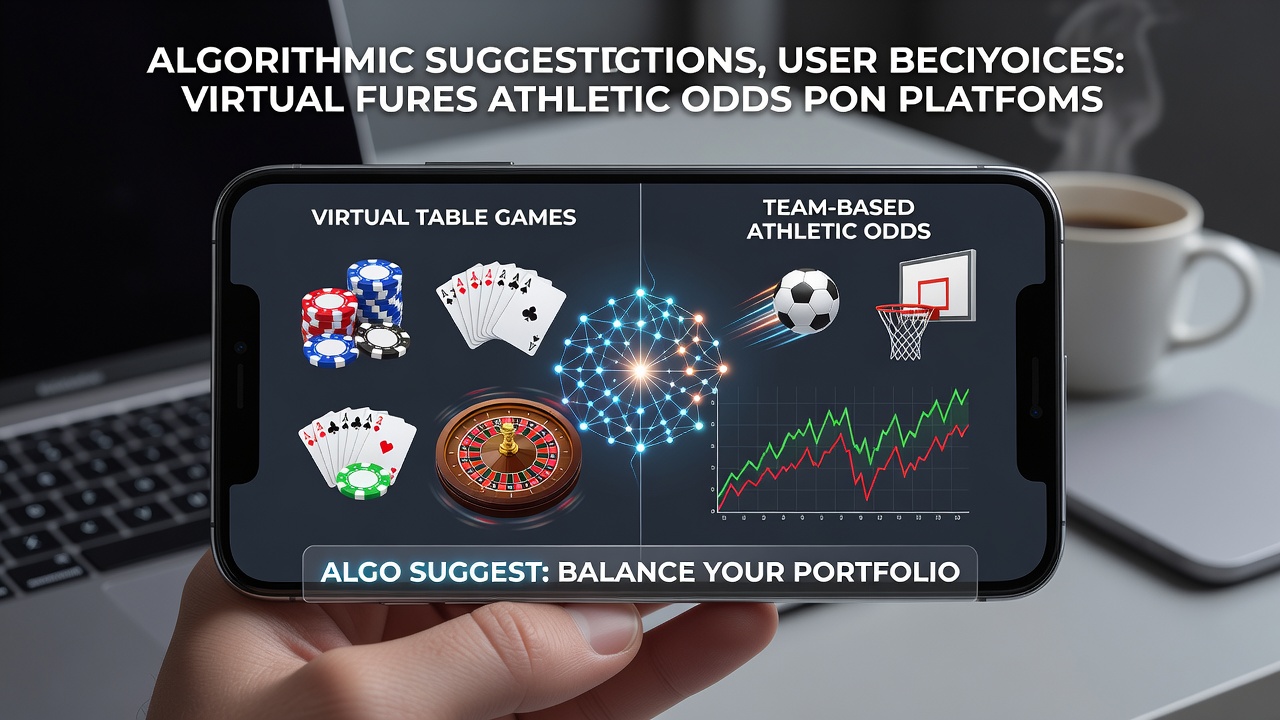
Algorithmic systems on mobile gambling platforms analyze user behavior patterns to present personalized options that connect virtual table games such as blackjack and roulette with team-based athletic odds on sports like football and basketball, and data from multiple markets shows these suggestions shape how players allocate their time and funds across both categories during single sessions.
Platforms collect details including session duration, previous game selections, and response times to offers, then apply machine learning models that predict which category might appeal next based on historical trends. Research indicates these models often prioritize cross-promotions where a user finishing a table game round receives prompts toward live sports markets or vice versa, creating seamless transitions that keep activity within the same application environment.
Data Inputs That Shape Recommendation Engines
Multiple data streams feed into these algorithms, ranging from device location and time of day to betting frequency and deposit patterns, while operators combine this information with aggregated industry statistics to refine suggestion accuracy over successive weeks. According to American Gaming Association research, mobile users in regulated U.S. states demonstrated higher engagement rates when suggestions aligned with their established preferences for either table formats or athletic events rather than random pairings.
Geographic factors also influence outputs because regional regulations affect available game types and odds displays, leading algorithms to adjust recommendations accordingly during periods of high sports activity such as major league seasons. Observers note that in July 2026, platforms updated their models to account for shifting user behaviors observed after international tournaments concluded, resulting in increased prompts toward virtual table options during lulls in live athletic calendars.
Mechanisms of Cross-Category Guidance
Suggestion interfaces typically appear as pop-up notifications, personalized feed items, or in-app banners that highlight potential overlaps, for example linking a recent roulette session to football spread bets through shared bonus structures. These prompts operate on probability calculations that estimate the likelihood of continued play, and evidence suggests they reduce the time between category switches by presenting options that feel contextually relevant rather than disruptive.
One study revealed that users exposed to algorithmic nudges completed more combined sessions than those navigating independently, although total expenditure patterns remained consistent across groups. The systems further incorporate feedback loops where acceptance or dismissal of suggestions updates future outputs, allowing refinement without explicit user input beyond standard interaction data.

Observed Patterns in User Navigation
Patterns emerge when algorithms detect clusters of activity around specific events, such as increased table game suggestions following high-profile basketball games that conclude early in the evening. Figures from platform analytics indicate that players in markets with integrated offerings often follow suggestion sequences that alternate between categories multiple times per hour, particularly during promotional windows that reward multi-type participation.
Those who've examined user logs across European and Asian operators report similar flows where athletic odds prompts spike immediately after table game wins, capitalizing on momentum to extend overall session length. Yet the same systems apply cooling mechanisms during extended play periods, redirecting toward lower-intensity options to maintain compliance with session management protocols.
Regulatory Context and Platform Adjustments
Regulatory frameworks in various jurisdictions require transparency around algorithmic influence, prompting operators to disclose how suggestions are generated and to provide opt-out mechanisms for personalized recommendations. Data released in mid-2026 by Australian authorities highlighted that platforms operating under stricter disclosure rules experienced measurable shifts in how frequently users accepted cross-category prompts compared with less regulated environments.
Operators respond by embedding compliance features directly into recommendation logic, ensuring suggestions respect jurisdictional limits on game availability and promotional frequency. This integration allows continued personalization while aligning with oversight requirements that vary by region and update periodically.
Conclusion
Algorithmic suggestions continue to serve as primary connectors between virtual table games and team-based athletic odds on mobile platforms, drawing on extensive behavioral datasets to facilitate transitions that align with observed user patterns. As platforms refine these systems through ongoing data collection and regulatory adaptation, the structure of player choices across categories reflects both technical capabilities and external compliance standards that shape available options in July 2026 and beyond.