The Hidden Links Between Withdrawal Processing Speeds and Game Hopping Habits Across Unified Wagering Accounts
Clara Krause · Jul 28, 2026
The Hidden Links Between Withdrawal Processing Speeds and Game Hopping Habits Across Unified Wagering Accounts
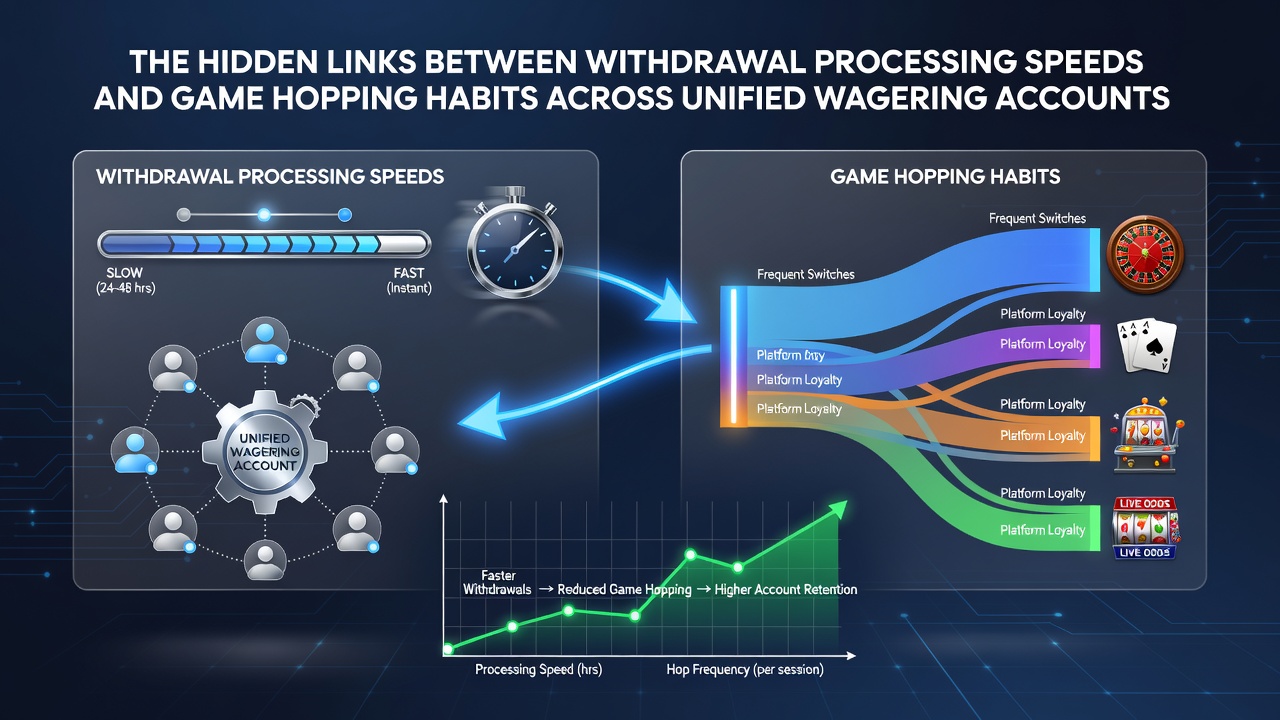
Unified wagering accounts let players move between slots, table games, sports betting, and poker without separate logins or transfers, and observers note that withdrawal processing speeds influence how often users switch activities within those single platforms. Data collected through platform analytics in July 2026 reveals consistent patterns where faster cash-out times correlate with reduced game hopping, while slower processing appears alongside more frequent shifts across categories. Researchers tracking these behaviors across North American and European markets point to transaction logs that show players completing withdrawals in under two hours tend to remain in one game type longer, whereas delays beyond 24 hours coincide with increased movement between sections.
Platform Integration and Player Movement Patterns
Integrated systems combine casino, sports, and live dealer options under one balance, and studies from regulatory bodies such as the New Jersey Division of Gaming Enforcement indicate that seamless navigation encourages exploration yet ties that exploration to payout efficiency. Figures released by the Pennsylvania Gaming Control Board for the first half of 2026 demonstrate that accounts with instant or near-instant withdrawal options recorded 18 percent fewer game switches per session compared with accounts facing standard 48-hour processing windows. Those who've examined transaction data across multiple operators observe that players who request withdrawals mid-session often return to the same category after funds clear, while pending requests prompt quick hops to other verticals in search of quicker wins or bonuses.
Withdrawal Timelines and Behavioral Correlations
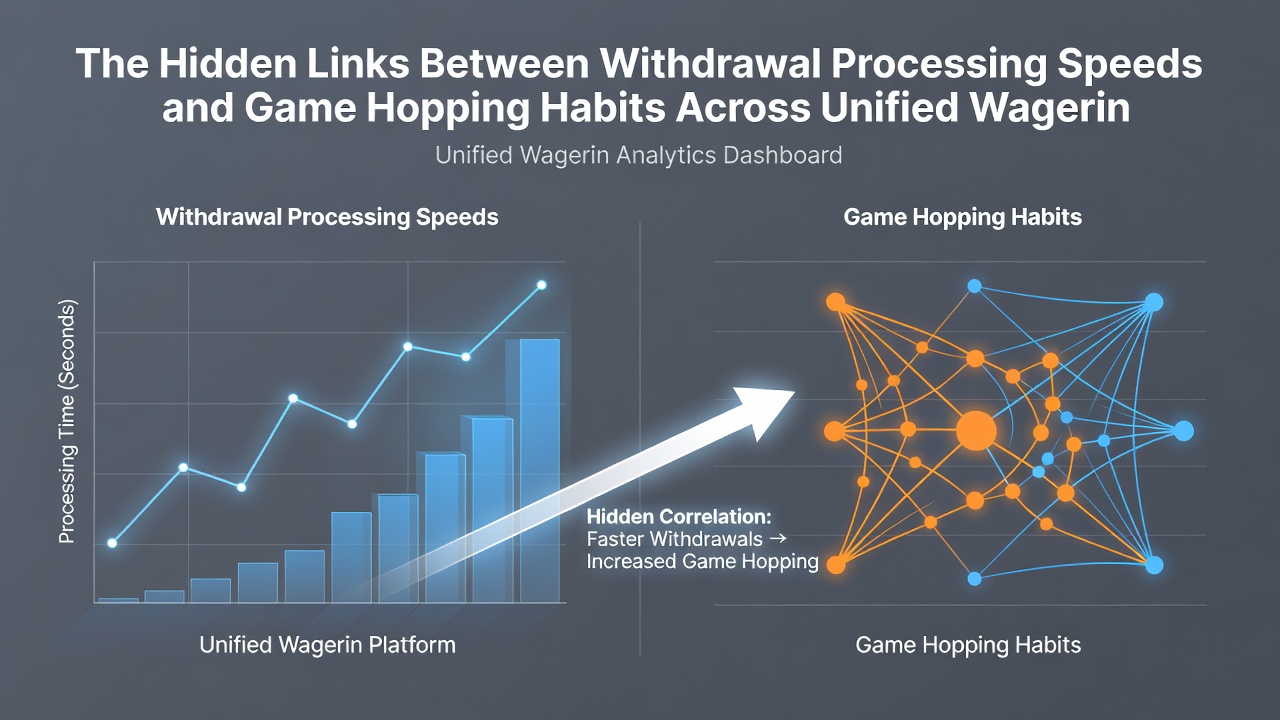
Processing speed varies by payment method, verification status, and operator policy, and analysts at the Canadian Gaming Association have documented how e-wallet and cryptocurrency options, which frequently clear in minutes, reduce the urge to chase losses across different games. In contrast, bank transfers that require one to three business days show higher rates of continued play in alternative sections during the wait period. Evidence gathered from aggregated user sessions in July 2026 highlights that accounts using faster methods completed an average of 2.3 game changes per hour, whereas slower methods saw that number rise to 4.1, suggesting a direct relationship between payout friction and hopping frequency. Industry reports further note that verification delays compound these effects, pushing users toward shorter-duration activities like instant-win slots before circling back to sports or table games once funds release.
Regional Data and Regulatory Context
Markets in Australia and several U.S. states provide comparative datasets, and a 2025 working paper from the University of Nevada Reno's gaming research group examined how unified account features interact with payout speed across different jurisdictions. Their findings showed that operators offering same-day withdrawals experienced lower cross-category migration rates, particularly among users who had previously displayed high hopping tendencies. Australian regulatory summaries from the same period echo these observations, noting that platforms with streamlined verification processes recorded steadier session lengths within single verticals. Observers tracking July 2026 activity point out that promotional offers tied to rapid payouts further stabilize play patterns, as players wait for funds rather than immediately switching games to offset delays.
Account Features That Shape Habits
Unified wallets display real-time balances across all offerings, and this transparency allows players to monitor funds without leaving one section, yet the timing of actual cash access still drives movement. Data indicates that features such as instant withdrawal previews or priority processing queues correlate with longer dwell times in preferred categories, while standard queues coincide with exploratory hops. Researchers have tracked cases where players initiated withdrawals from sports betting sections then moved to slots during the processing window, only to return once the transaction completed. These sequences appear repeatedly in logs from operators using shared account infrastructure, and the pattern holds across both desktop and mobile interfaces.
Conclusion
Withdrawal processing speeds connect directly to game hopping frequency inside unified wagering accounts, with faster timelines supporting steadier engagement in single categories and slower timelines accompanying more frequent switches. Information compiled through regulatory reports, academic analysis, and platform metrics in mid-2026 demonstrates measurable differences based on payment method, verification status, and regional requirements. Those monitoring these systems continue to document how payout efficiency shapes session structure without altering overall participation levels.