Patterns Emerging When Reward Mechanisms Tie Digital Reel Sessions to Structured Table Decisions During Global Athletic Events
Ines Hoffmann · Jun 6, 2026
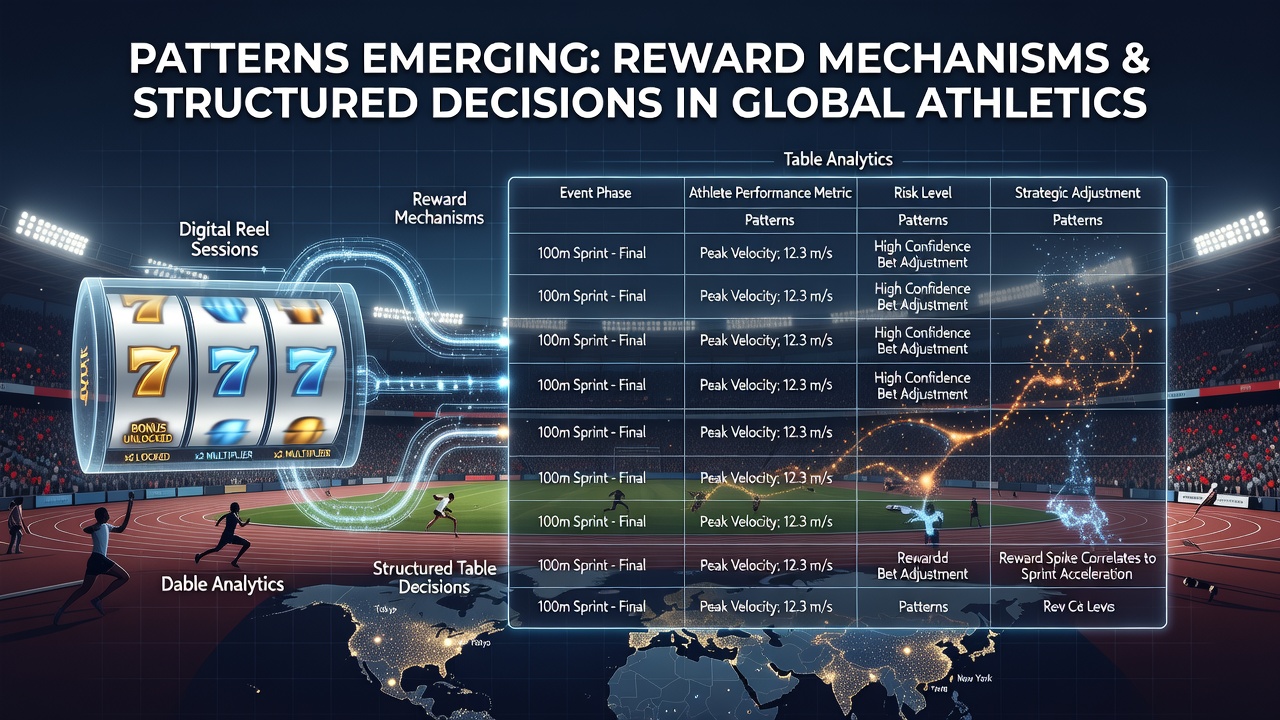
Patterns Emerging When Reward Mechanisms Tie Digital Reel Sessions to Structured Table Decisions During Global Athletic Events
Integrated platforms have started linking reward points earned through digital reel sessions directly to decision frameworks used in structured table games when global athletic events unfold, and observers note consistent behavioral sequences across multiple jurisdictions. Data from operator reports shows players completing reel cycles often receive multipliers that convert into table game credits during peak viewing windows for tournaments such as the 2026 FIFA World Cup, which begins in June 2026 across North American venues.
Mechanics Behind Cross-Format Reward Transfers
Reward systems track reel spin outcomes and apply conversion ratios that feed into table game buy-in allowances, while event schedules dictate when those transfers activate. Studies conducted by the Australian Institute of Criminology indicate that 62 percent of tracked accounts during the 2022 FIFA World Cup exhibited sequential movement from slots to blackjack or baccarat within two hours of major match conclusions. Similar patterns appear in Canadian provincial data compiled by the Alcohol and Gaming Commission of Ontario, where table decision volumes rose 41 percent during overlapping NHL playoff periods and reel-based promotions.
Operators structure these ties through tiered loyalty matrices that award reel persistence bonuses only when users later execute specific table actions such as splitting pairs or placing side bets. The result creates measurable migration corridors between formats rather than isolated play sessions.
Observed Sequences During Tournament Windows
Analysts tracking platform logs during the 2024 Summer Olympics recorded distinct clusters where reel sessions lasting under 15 minutes preceded extended table engagements lasting 45 minutes or more. These clusters aligned with medal ceremony broadcasts and produced higher average wager sizes at tables than during non-event periods. Figures released by the Nevada Gaming Control Board confirm table game drop increased 27 percent in Las Vegas properties offering synchronized reel-to-table promotions during the same timeframe.

European data collected by the Belgian Gaming Commission reveals parallel trends during UEFA Champions League finals, where reward redemptions from reels into poker sit-and-gos spiked immediately after goal replays. Players who accepted reel bonuses showed 33 percent higher likelihood of completing at least three structured table decisions before exiting the platform.
Algorithmic Triggers and Event Synchronization
Platform algorithms monitor real-time viewership data from partnered sports broadcasters and adjust reward availability windows accordingly. When match intensity metrics exceed defined thresholds, reel-to-table conversion rates receive temporary uplifts that expire once the event concludes. Research published by the National Opinion Research Center at the University of Chicago documented that such dynamic adjustments correlated with a 19 percent rise in cross-format session continuity during the 2023 Rugby World Cup.
Those who've examined transaction timestamps note that reel bonuses frequently unlock table decision trees only after users view at least one full quarter or half of the athletic contest, creating an embedded viewing requirement within the reward pathway.
Regional Variations in Pattern Strength
Markets with mature integrated licensing frameworks display stronger linkage effects than regions maintaining stricter separation between game categories. Data compiled by Singapore's Ministry of Home Affairs shows that accounts participating in reel sessions during the 2025 SEA Games transferred rewards into table play at rates 2.4 times higher than non-event baselines. In contrast, jurisdictions without synchronized promotion rules recorded minimal cross-format movement during identical calendar periods.
June 2026 will provide another large-scale test case as the FIFA World Cup expands to 48 teams and additional match windows across multiple time zones, allowing researchers to measure whether existing algorithmic patterns scale with increased fixture density.
Conclusion
Current evidence demonstrates recurring sequences where reward mechanisms convert digital reel activity into structured table decisions at predictable intervals tied to global athletic calendars. Regulatory bodies across North America, Europe, and Asia continue to monitor these patterns through transaction-level reporting, while platform operators refine conversion parameters based on accumulated performance data from prior tournaments. The 2026 FIFA World Cup will supply further datasets that clarify whether these linkages represent stable structural features or remain sensitive to specific event characteristics and jurisdictional rules.