Mapping Player Migration Between Online Poker Circuits and Live Sports Wagering During Major Tournaments
Olivia Lehmann · May 23, 2026
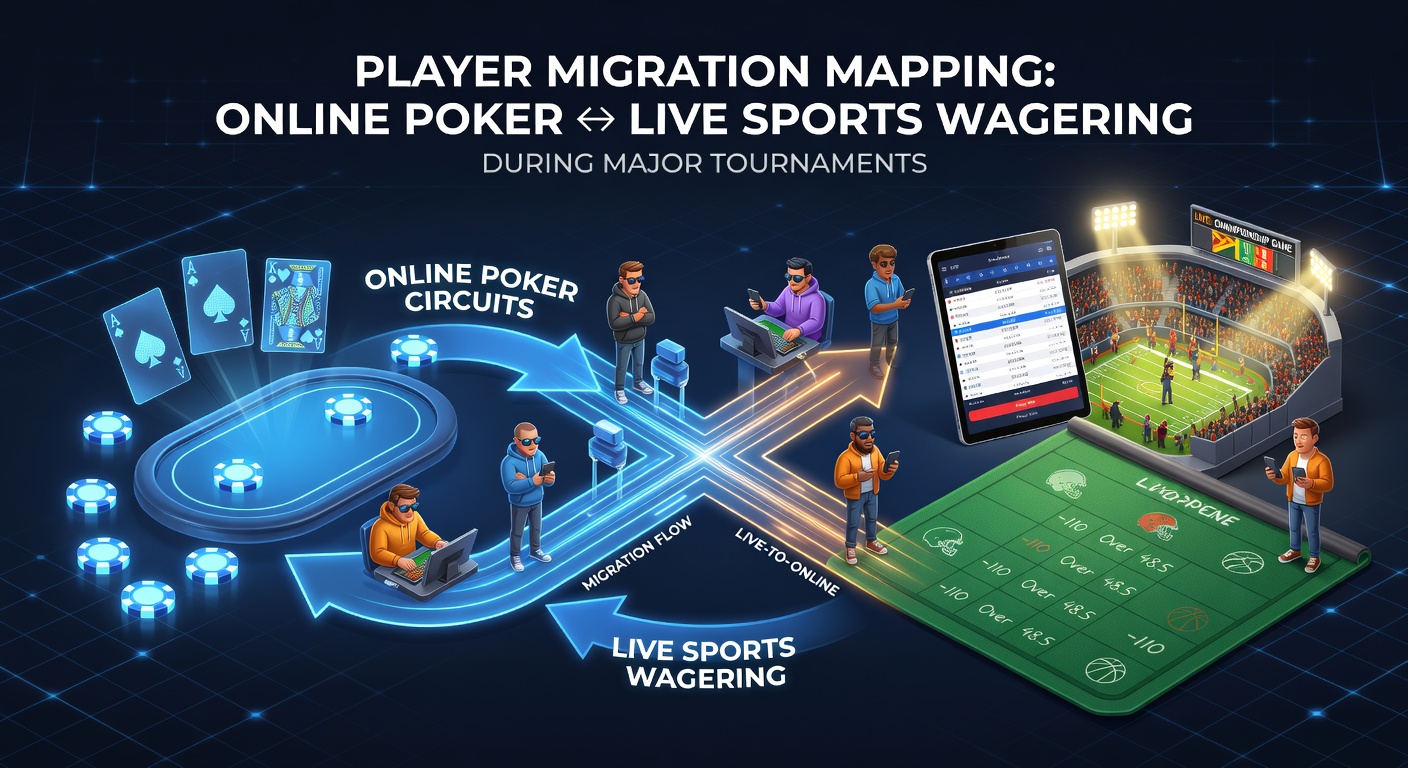
Mapping Player Migration Between Online Poker Circuits and Live Sports Wagering During Major Tournaments
Player movement across digital gambling environments shows distinct patterns during large-scale events, where individuals transition from structured poker sessions to dynamic sports markets as schedules align with major competitions. Data compiled from multiple platforms indicates that activity spikes occur when poker tournaments overlap with high-profile sports fixtures, prompting shifts in user engagement that researchers track through transaction volumes and session durations.
Patterns in Platform Usage
Studies from industry analysts reveal that online poker sees steady participation throughout the year, yet volumes often dip when live sports events draw attention away from card rooms and toward betting exchanges. Observers note that users frequently maintain accounts on both types of platforms, allowing seamless movement during periods such as championship series or international cups, where real-time odds and in-play features compete directly with multi-table poker formats.
Traffic analytics from integrated operators demonstrate that poker tables experience reduced occupancy rates in the hours leading up to marquee matches, while sportsbooks record corresponding increases in wager placements on team outcomes and player props. This correlation becomes pronounced during events spanning several days, giving participants time to alternate between formats without fully abandoning one for the other.
Key Drivers of Migration
Factors influencing these transitions include scheduling overlaps, promotional incentives tied to specific sports, and the availability of live streaming that keeps bettors engaged across both verticals. Research conducted by academic groups at institutions like the University of Nevada highlights how accessibility through single-wallet systems reduces friction, enabling players to redirect funds based on immediate interests rather than platform loyalty alone.
Seasonal calendars play a central role, as summer poker festivals coincide with baseball seasons and winter circuits align with basketball and football calendars, creating windows where one activity naturally yields to another. Figures from regulatory filings show that operators adjust marketing pushes accordingly, directing poker users toward sports specials when major tournaments enter their decisive stages.
Regional Data Insights
According to reports issued by the Alcohol and Gaming Commission of Ontario, Canadian markets display measurable upticks in sports wagering during playoff periods that coincide with online poker peaks, with cross-platform users comprising a notable share of total activity. Similar observations appear in Australian data sets tracked by the Australian Communications and Media Authority, where geographic restrictions and licensing rules shape how participants navigate between poker networks and sports books.
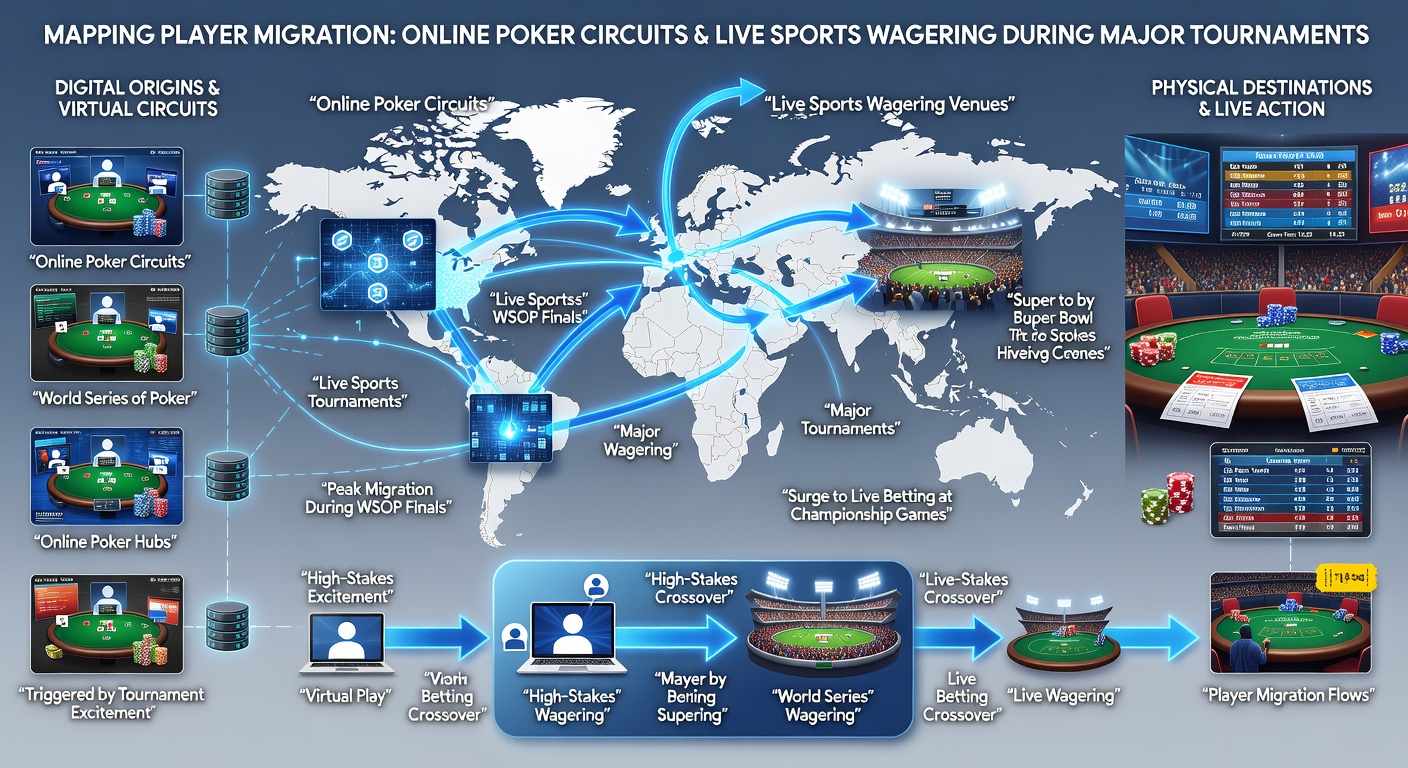
Those who monitor user behavior across borders point to time zone differences and event timing as additional variables that encourage migration, particularly when North American poker sites host late-night sessions overlapping with European football fixtures. Evidence gathered from transaction logs suggests that migration tends to be temporary, with many participants returning to primary poker circuits once sports events conclude.
Developments in May 2026
During May 2026, several overlapping events created fresh opportunities for observation, including basketball conference finals and early stages of international tennis circuits that ran parallel to ongoing online poker series. Platform metrics collected in this period indicated that users who began the month focused on poker MTTs increasingly sampled sports markets as key matches approached, driven by enhanced odds boosts and bundled promotions that rewarded multi-format participation.
Regulatory updates around that timeframe, including licensing adjustments in select jurisdictions, further supported data sharing between poker and sports divisions of the same operator groups, allowing clearer mapping of user flows without violating privacy standards. Analysts tracking these shifts noted that the patterns mirrored previous years while reflecting greater integration of live features across both product lines.
Implications for Operators and Regulators
Operators respond to these migration trends by developing unified loyalty programs that span poker and sports verticals, reducing the incentive for users to seek external sites during transitions. Data shared through industry associations such as the American Gaming Association shows that retention rates improve when cross-promotions align with tournament calendars rather than operating in isolation.
Regulators in multiple regions continue to examine these movements for compliance purposes, focusing on responsible gaming tools that apply uniformly regardless of whether activity centers on cards or sports outcomes. This approach helps maintain oversight while accommodating the fluid nature of player preferences throughout peak seasons.
Conclusion
Overall, the mapping of player migration between online poker circuits and live sports wagering reveals consistent, event-driven patterns supported by platform data and regulatory records. As major tournaments continue to punctuate annual calendars, these movements provide measurable insights into how users allocate time and funds across gambling formats, with operators and oversight bodies adapting their frameworks to accommodate the observed dynamics.