How Regulatory Shifts in Asian Markets Reshape Transitions From Poker Circuit Structures to Basketball Spread Calculations During Offseason Promotions
Olivia Lehmann · May 26, 2026
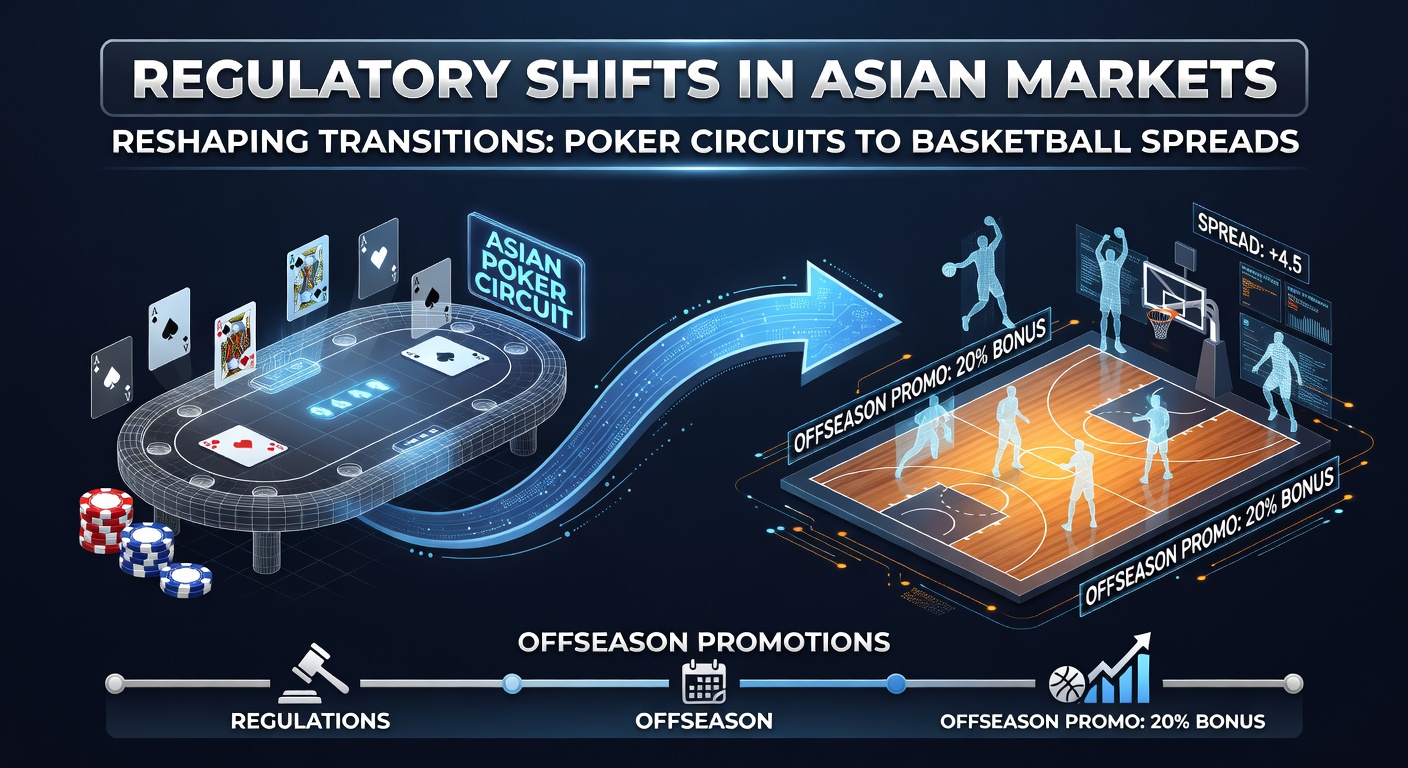
How Regulatory Shifts in Asian Markets Reshape Transitions From Poker Circuit Structures to Basketball Spread Calculations During Offseason Promotions
Regulatory adjustments across several Asian jurisdictions have prompted operators and participants to adjust their approaches from established poker tournament frameworks toward basketball point-spread models, particularly as offseason marketing campaigns gain momentum. Data from regional oversight bodies shows these changes stem from updated licensing requirements and cross-border compliance standards that affect how platforms structure player migration incentives.
Key Regulatory Developments in Major Asian Markets
Authorities in Singapore and the Philippines have introduced revised frameworks for online gaming licenses since 2024, which limit certain poker circuit operations while expanding allowances for sports-based wagering products. The Monetary Authority of Singapore published updated guidelines requiring operators to demonstrate segregation between skill-based table games and predictive sports markets, leading many platforms to redirect resources toward basketball offerings during periods of lower league activity.
Meanwhile the Philippine Amusement and Gaming Corporation has streamlined approval processes for integrated betting environments that combine elements of circuit-style poker promotions with live sports data feeds. These adjustments coincide with preparations for expanded May 2026 promotional windows, when operators typically launch cross-product incentives to retain users between major poker festival seasons and basketball league restarts.
Structural Shifts from Poker Circuits to Basketball Markets
Traditional poker circuit structures rely on scheduled tournaments, satellite qualifiers, and leaderboard systems that reward consistent participation across multiple events. Recent regulatory tightening in Macau and surrounding areas has increased compliance costs for these formats, prompting organizers to explore alternative engagement models built around basketball spread calculations. Observers note that point-spread mechanics offer clearer integration with promotional multipliers and risk-management tools that align with new reporting obligations.
Operators have responded by developing hybrid promotional structures where poker loyalty points convert into basketball wager credits during the offseason. This transition allows platforms to maintain user activity levels while satisfying requirements for diversified product offerings. Research from industry monitoring groups indicates that such conversions have increased by measurable percentages in markets where poker licensing renewals now carry additional scrutiny on player fund segregation.
Offseason Promotion Mechanics and Spread Calculations
Basketball offseason periods create natural opportunities for platforms to test new promotional overlays on spread markets. These campaigns frequently feature adjusted line calculations that incorporate historical data from prior seasons alongside regulatory-mandated transparency disclosures. The result is a more structured approach to odds presentation that emphasizes verifiable risk parameters rather than the variable payout structures common in poker tournaments.
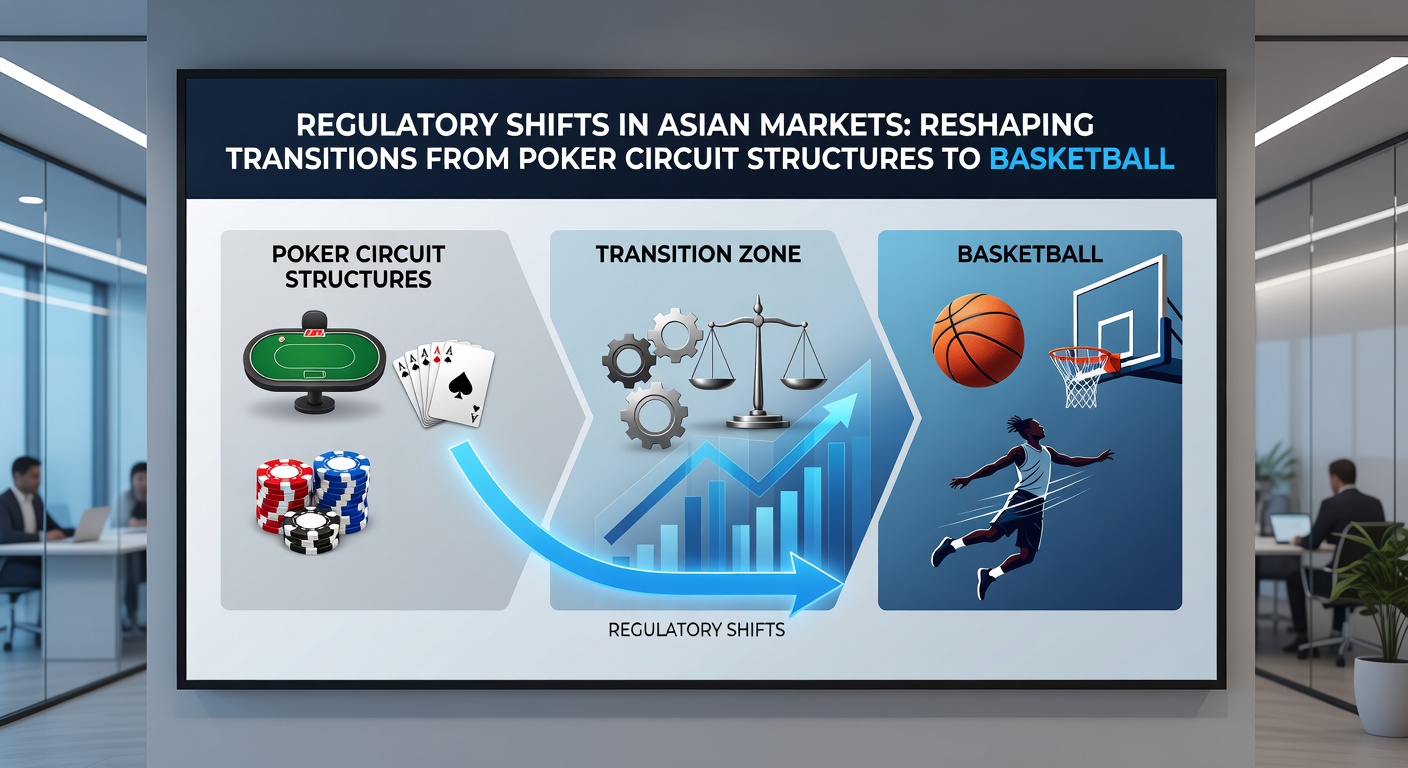
Platforms operating under the updated Asian frameworks must now include standardized explanations of spread methodology within promotional materials. This requirement has encouraged the adoption of algorithmic tools that generate basketball lines using inputs from multiple data sources, creating consistency that satisfies both regulatory audits and player expectations during promotional periods. A 2025 report issued by the Asia Pacific Gambling Studies Network highlighted how these tools reduce variance in promotional outcomes compared with earlier poker-derived bonus structures.
Player Migration Patterns and Platform Adaptations
Participant movement between poker circuits and basketball spread markets has accelerated as regulatory clarity improves in key jurisdictions. Platforms have introduced unified account systems that track activity across both formats, enabling seamless transitions during promotional windows scheduled around May 2026. These systems incorporate automated compliance checks that flag potential issues with fund allocation before they reach regulatory thresholds.
Industry data compiled by regional analytics providers shows increased usage of basketball spread products among users previously concentrated in poker events, particularly in markets where licensing conditions now favor sports wagering diversification. The shift aligns with broader efforts to align product offerings with evolving oversight priorities that emphasize measurable risk controls and transparent pricing mechanisms.
Conclusion
Regulatory evolution in Asian markets continues to influence how operators bridge poker circuit traditions with basketball spread frameworks through targeted offseason promotions. The changes emphasize compliance integration, standardized calculation methods, and flexible loyalty mechanics that support sustained platform activity. As preparations advance for May 2026 initiatives, these adaptations provide structured pathways for participants navigating between established poker formats and emerging sports betting environments.