Examining Cross-Platform Data Flows Between Simulated Table Experiences and Professional League Wagering Systems in Regulated Digital Spaces
Olivia Lehmann · Jun 25, 2026
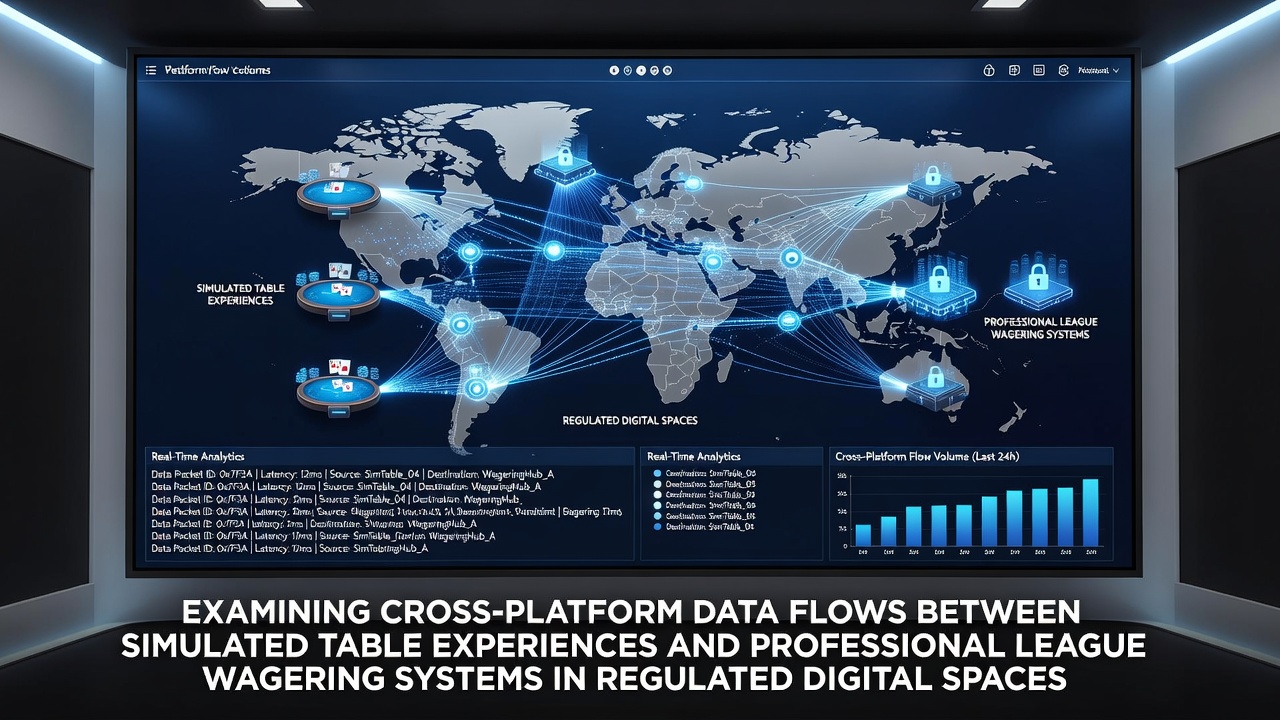
Examining Cross-Platform Data Flows Between Simulated Table Experiences and Professional League Wagering Systems in Regulated Digital Spaces
Regulated digital gambling environments continue to integrate simulated table experiences with professional league wagering systems, and data flows between these components have grown more structured since early 2025. Platforms transmit player preferences, session durations, and outcome histories through secure APIs that comply wth state-level oversight, while operators in markets such as New Jersey and Ontario track these exchanges to maintain audit trails required by licensing authorities.
Simulated table experiences include digital versions of blackjack, roulette, and poker that mirror physical mechanics through random number generators certified by independent testing labs. Professional league wagering systems handle real-time odds on events such as NFL games or NBA matches, and the connection between the two occurs when operators allow users to move between interfaces without separate logins. According to the New Jersey Division of Gaming Enforcement, integrated accounts processed over 18 million cross-feature transitions during the first quarter of 2026.
Data Pathways in Unified Platforms
Operators establish data pathways through centralized player databases that store identifiers, balance updates, and behavioral metrics. When a user finishes a simulated roulette session, the platform records spin sequences and bet sizes, then routes select elements such as average wager amounts to the sports betting engine to adjust promotional offers. This routing happens in milliseconds and remains encrypted under standards set by the Alcohol and Gaming Commission of Ontario for any activity involving Canadian residents.
Research from the University of Nevada's International Gaming Institute shows that 62 percent of regulated platforms now share at least three categories of data between table simulations and league wagering modules, including time-stamped transaction logs and responsible gaming flags. These shared categories support compliance checks without exposing full user profiles across unrelated features.
Regulatory Requirements Shaping Transfers
Licensing bodies mandate that all data transfers occur within closed systems or through approved third-party processors. In June 2026 the Nevada Gaming Control Board updated its technical standards to require timestamp verification on every hand or spin that influences a subsequent sports bet suggestion, and operators must retain these records for five years. Similar rules took effect in Pennsylvania during the same month, focusing on audit access for cross-platform promotions that link table outcomes to parlay adjustments.
Platforms achieve compliance by segmenting data streams so that table simulation results feed into sports systems only after anonymization steps remove personally identifiable information. The process uses tokenization methods that replace account numbers with temporary codes before any transfer occurs.
Technical Infrastructure Supporting Flows
Modern architectures rely on microservices that isolate table engines from sports engines while permitting controlled data exchange through message queues. These queues carry structured payloads containing metrics such as session length and volatility exposure, and the queues operate under rate limits that prevent overload during peak event periods like the NBA Finals. Operators report that message volumes increased 27 percent year-over-year through May 2026, according to figures released by the American Gaming Association's technology committee.

Security protocols include end-to-end encryption and regular penetration testing conducted by firms accredited under ISO 27001. When a simulated poker hand concludes, the system generates a hashed record that sports modules can query for eligibility checks on bonus triggers, yet the original card sequence remains inaccessible outside the table environment.
Player Account Synchronization Practices
Account synchronization allows balances and loyalty points to update across both feature sets without manual intervention. A player who wins at a digital blackjack table sees the credit appear instantly in the professional league wagering wallet, while loss limits set in one area apply automatically to the other. Data from the Alcohol and Gaming Commission of Ontario indicates that synchronized accounts reduced support ticket volume related to balance discrepancies by 41 percent in the twelve months ending May 2026.
Operators maintain separate risk profiles for table simulation activity and league wagering activity even when accounts are linked. This separation helps regulators verify that promotional offers tied to one product do not inadvertently encourage excessive play in the other.
Future Developments in June 2026 and Beyond
Industry reports released in early June 2026 highlight ongoing pilot programs that test real-time data mirroring between table simulations and live sports feeds. These pilots use distributed ledger elements to create immutable logs of every data packet transferred, satisfying emerging audit demands from multiple jurisdictions. The pilots remain limited to operators holding licenses in at least three states, and initial results show reduced reconciliation times during monthly compliance reviews.
Conclusion
Cross-platform data flows between simulated table experiences and professional league wagering systems operate under strict technical and regulatory controls that continue to evolve. Licensing authorities in the United States and Canada track these flows through mandated reporting, while operators deploy segmented architectures to preserve security and compliance. As integration deepens through 2026, the emphasis remains on verifiable, auditable exchanges that support both player protection measures and operational efficiency across regulated digital spaces.