Algorithmic Overlaps Between Casino Random Number Generators and Sports Prediction Models
Clara Krause · Aug 27, 2026
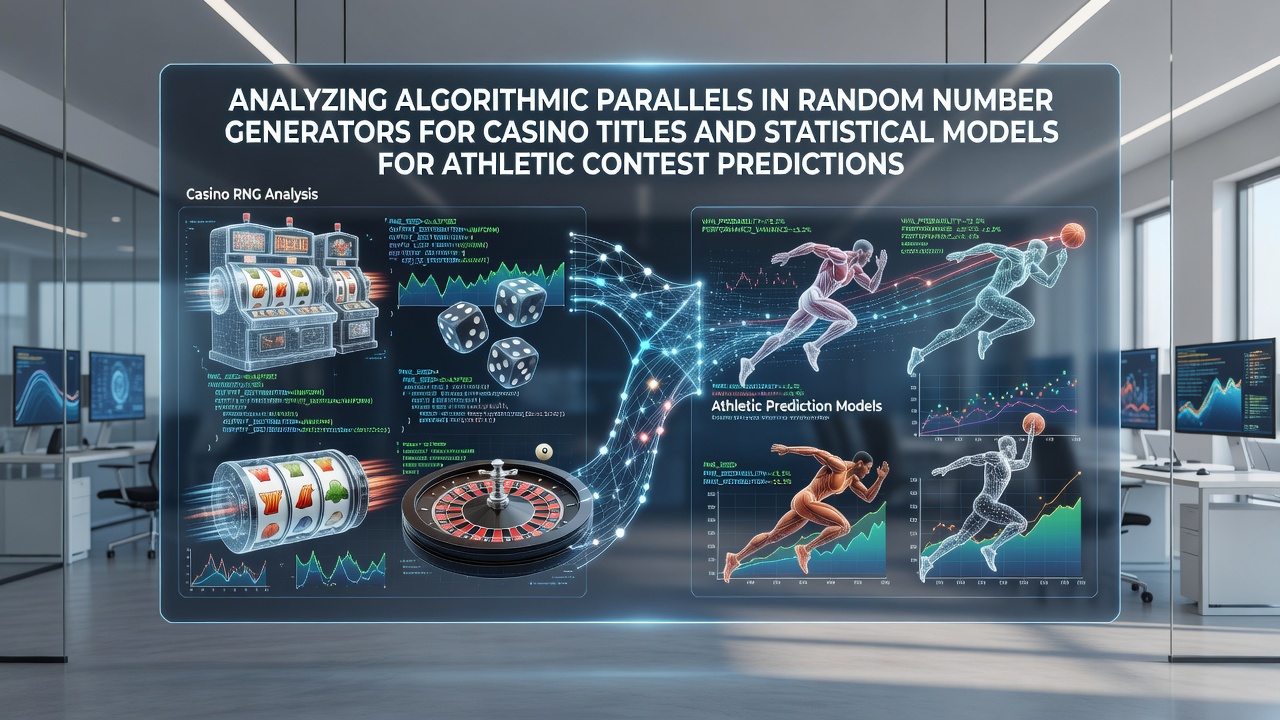
Algorithmic Overlaps Between Casino Random Number Generators and Sports Prediction Models
Random number generators power digital casino titles by producing sequences that simulate chance events while statistical models forecast athletic contest outcomes through pattern analysis and probability calculations, and researchers have identified shared algorithmic structures that connect these two domains. Both systems rely on pseudorandom processes, distribution sampling, and iterative computation to generate results that users interpret as unpredictable yet mathematically grounded.
Core Mechanics of Random Number Generation in Gaming Platforms
Casino software employs linear congruential generators and Mersenne Twister variants to create number streams that pass regulatory testing for uniformity and independence, and these algorithms initialize from seed values drawn from hardware entropy sources such as thermal noise or clock jitter. Testing laboratories certify that output distributions match theoretical expectations for each game type, whether simulating reel stops or card shuffles, while continuous monitoring detects any deviation from required statistical properties.
Developers adjust parameters like modulus size and multiplier coefficients to extend period lengths beyond typical session durations, and this approach prevents repetition within practical time frames. Certification standards require that sequences remain statistically indistinguishable from true randomness across millions of trials, which ensures compliance across multiple jurisdictions.
Statistical Frameworks Applied to Athletic Performance Forecasting
Prediction models for sports contests integrate regression analysis, Monte Carlo simulations, and machine learning classifiers that process historical data on team metrics, player injuries, and environmental factors, and these frameworks generate probability distributions for final scores or win margins rather than single deterministic results. Analysts feed large datasets into iterative algorithms that refine coefficient estimates through repeated sampling, while cross-validation techniques measure how well models generalize beyond training periods.
Ensemble methods combine outputs from multiple sub-models to reduce variance, and this structure mirrors the layered computation found in RNG testing suites. Data sources include league databases and tracking systems that record play-by-play events at high frequency, allowing models to update forecasts in real time during ongoing events.
Shared Computational Patterns Across Both Fields
Both RNG implementations and sports prediction engines depend on seed initialization followed by deterministic iteration, and observers note that small changes in initial conditions can produce divergent output paths in each case. Pseudorandom number streams feed into game logic just as historical performance vectors feed into regression equations, while variance reduction techniques appear in simulation runs for betting odds and in RNG period extension alike.
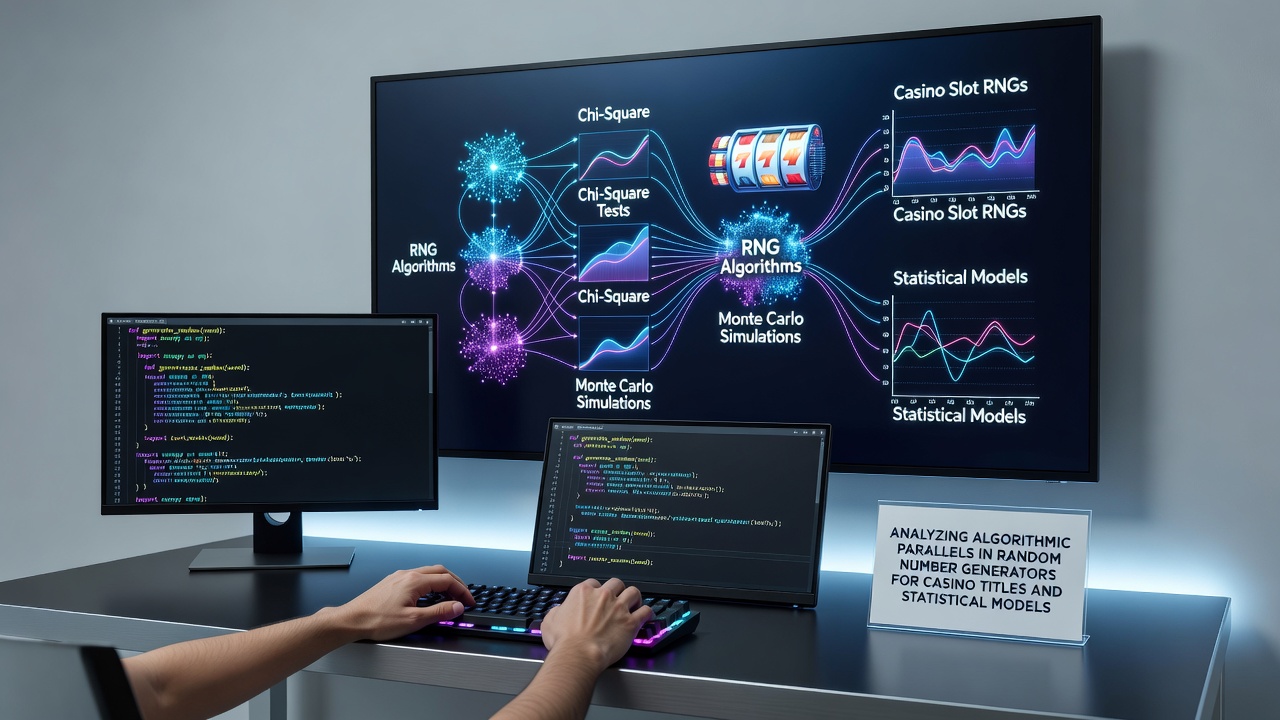
Researchers have mapped how rejection sampling in casino bonus round triggers parallels the filtering steps that exclude outlier games from training sets in athletic models, and correlation tests applied to RNG output streams resemble autocorrelation checks performed on residual errors from sports regressions. These overlaps become visible when developers adapt code libraries originally written for one domain to serve the other, particularly in mobile applications that combine live betting interfaces with slot mechanics.
Regulatory and Technical Standards Driving Convergence
Standards bodies such as NIST publish guidelines for randomness testing that both gaming laboratories and quantitative sports analytics teams reference when validating outputs, while the Australian Gambling Research Centre has examined how probability engines underpin responsible play features across integrated platforms. In August 2026 several North American operators began deploying unified testing frameworks that apply identical statistical suites to both casino RNG modules and live odds engines, reducing redundant certification costs.
Hardware security modules now supply seeds for both game servers and prediction microservices within the same data center, and this consolidation reflects growing recognition that the underlying mathematical requirements overlap significantly. Technical documentation from platform providers shows that Monte Carlo paths used for jackpot probability calculations share code structures with those employed for playoff simulation brackets.
Practical Implementations and Cross-Domain Applications
One development team adapted a casino slot engine's variance sampling routine to generate synthetic match scenarios for basketball analytics dashboards, and the resulting model produced outcome distributions that aligned closely with observed league results over multiple seasons. Another project transferred autocorrelation detection routines from RNG certification tools into sports data pipelines to flag unusual betting patterns during international tournaments.
These transfers demonstrate that the algorithmic foundations remain consistent even when surface-level applications differ, and industry conferences scheduled for late 2026 continue to schedule joint sessions on these topics. Data centers handling both casino traffic and sports wagering feeds now run unified monitoring dashboards that track entropy quality alongside prediction calibration metrics.
Conclusion
The algorithmic parallels between random number generators in casino titles and statistical models for athletic contest predictions rest on shared reliance on deterministic iteration, seed management, distribution sampling, and statistical validation routines. As platforms integrate these functions more tightly through common codebases and testing protocols, the technical boundaries between gaming randomness and sports forecasting continue to narrow without altering the regulatory requirements that govern each area separately.